Technical Articles & Tools
1) Focus system principle (schematic)
The focus system uses the focus laser plus sensor feedback and the coil-driven lens tube for dynamic position adjustment, so the write path keeps correct focus across scan states.
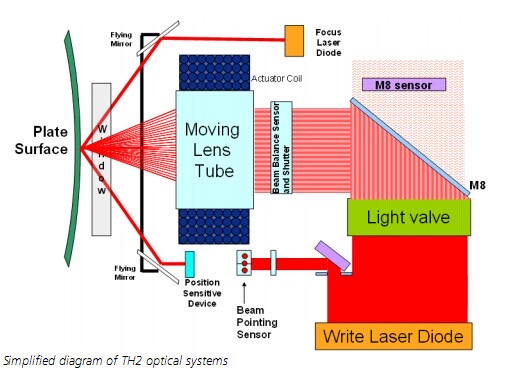
Focus system: focus laser, coil-driven lens tube, sensor and feedback (schematic)
2) Common failure causes
Focus system failure usually comes from:
- Focus laser diode aging: Weaker or unstable output, leading to poor focus signal and failed checks/calibration.
- Coil spring / steel strip failure or break: Abnormal dynamic response, limited travel, "lag" or "jitter".
- Circuit damage: Drive or feedback fault so the focus loop cannot work properly.
Recommendation: Do not replace parts blindly. Use scripts to isolate (laser diode -> coil dynamic -> system linearity), then decide what to replace; this reduces unnecessary returns.
3) Key component examples (photos)
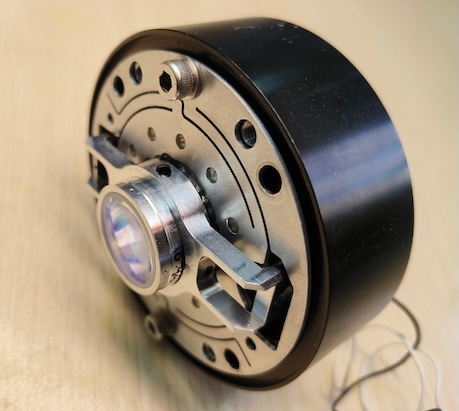
Focus assembly: dynamic mechanism / lens tube parts (photo)
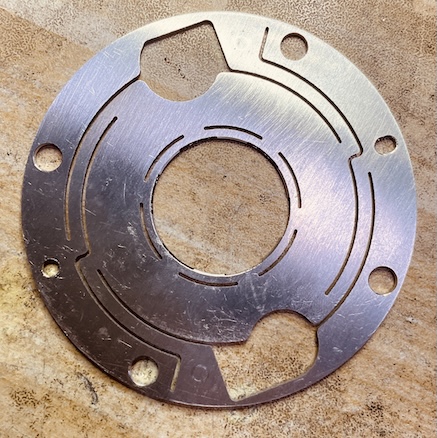
Coil spring / strip: break or fatigue causes dynamic faults (photo)
4) Three scripts: good vs bad focus (with curve examples)
Kodak provides three scripts to check different parts of the focus system. The images below show example script output curves (to compare good vs bad).
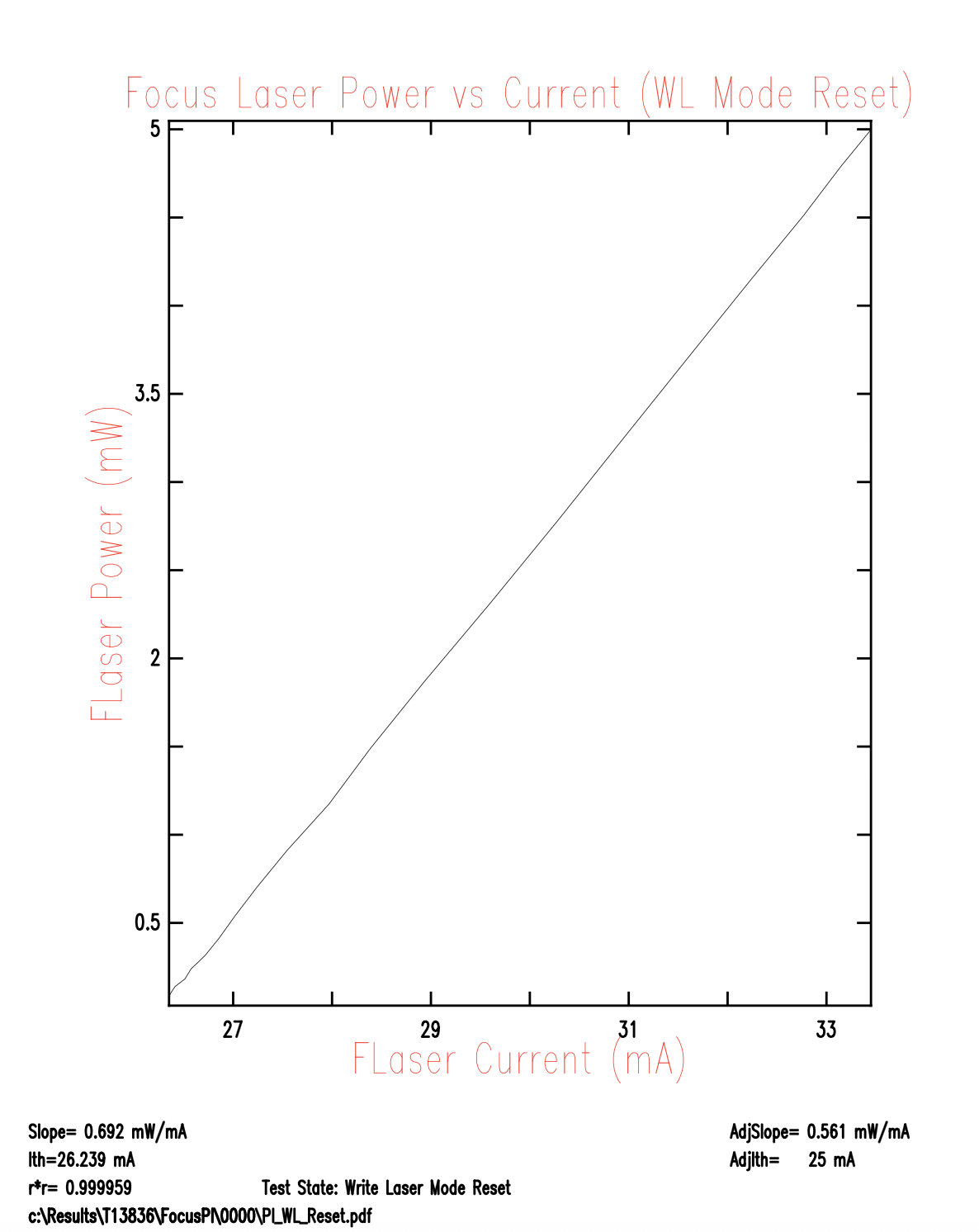
Script 1: Focus Laser Diode, PI
Checks whether focus laser output vs current is normal (aging or abnormal output directly affects focus reliability).
Checks whether focus laser output vs current is normal (aging or abnormal output directly affects focus reliability).

Script 2: Coil Dynamic, S-curve
Verifies coil dynamic response (smooth S-curve, no binding/break/travel fault).
Verifies coil dynamic response (smooth S-curve, no binding/break/travel fault).
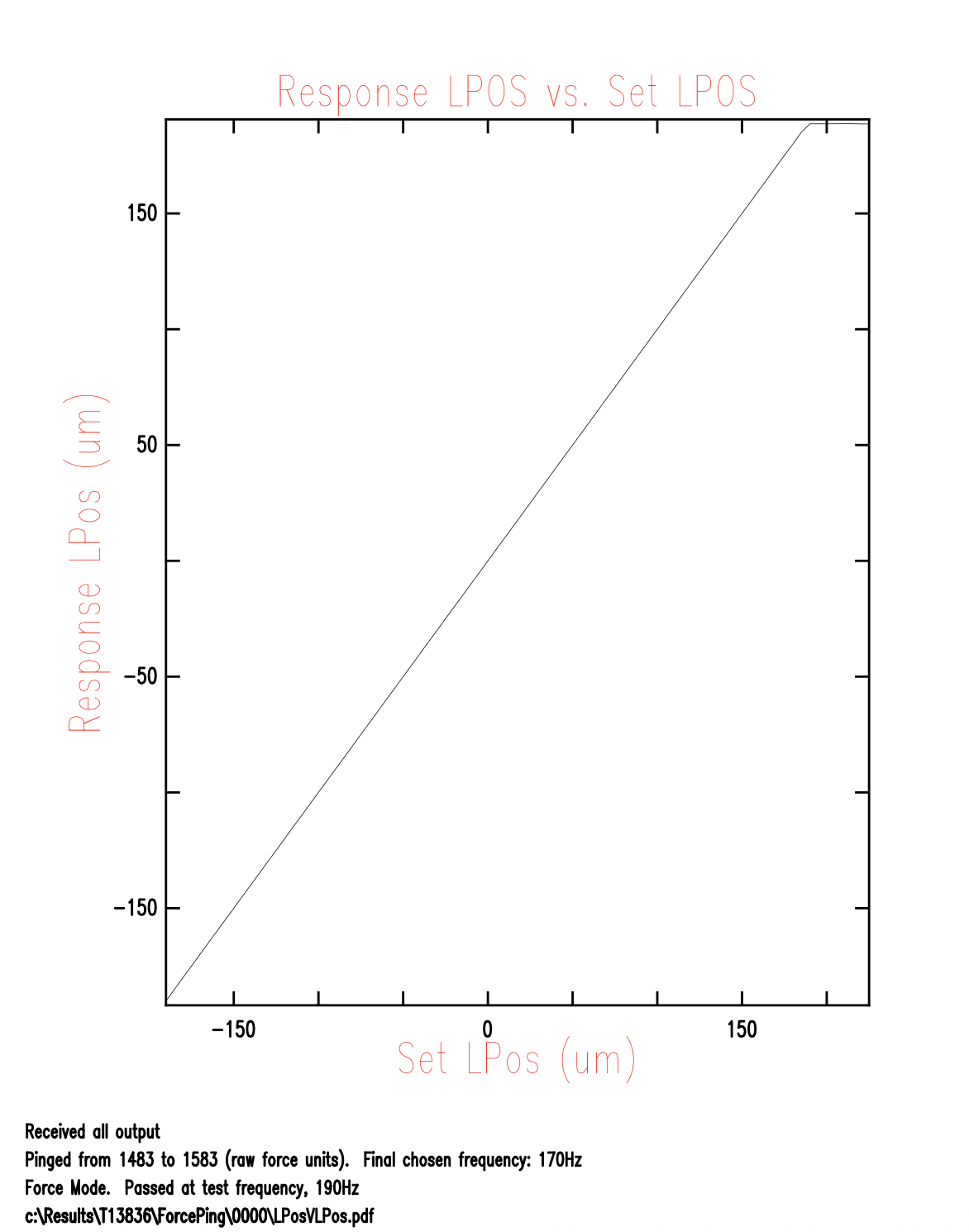
Script 3: System Linearity, Lpos
Checks system linearity and closed-loop response (Set Lpos vs Response Lpos consistency is key).
Checks system linearity and closed-loop response (Set Lpos vs Response Lpos consistency is key).
Logic: First check Script 1 (focus laser), then Script 2 (dynamic mechanism), then Script 3 for overall linearity. Together they separate "source / mechanical / loop" issues.
Safety warning: Use with care by qualified personnel. Wrong parameters or test procedure may damage the mechanism or laser.
5) Common replacement & calibration steps (overview)
Focus repair usually follows "locate -> replace -> calibrate":
- Step A: Script-based location (laser diode -> coil dynamic -> system linearity) to confirm root cause.
- Step B: Replace/repair focus laser diode, coil spring/strip, or drive/feedback circuit.
- Step C: Calibrate per equipment procedure, then verify linearity and stability.